
Gambling online has become part of the weekend routine for plenty of Aussies, especially when the footy’s on and you want a bit of extra action while watching the match. The trick is keeping your money tidy without handing over your everyday banking details to every flashy site you stumble across. That’s where a pokies online prepaid card comes in handy, giving you a clean way to load up a set amount and play without dipping into the mortgage fund. It’s not about chasing losses or pretending you’ll walk away rich; it’s about setting a boundary and sticking to it like glue.
You’ll find the same setup popping up across the local market, from Perth to Brisbane, as more operators realise that punters want a bit more control over their deposits. The beauty of a prepaid approach is that you decide the limit before you even log in, which takes the guesswork out of chasing a bad run. It also means you’re not waiting on bank transfers to clear or worrying about your credit card getting flagged for gambling transactions. You load the card, you play, and when it’s empty, you walk away. No fuss, no drama.
The landscape has shifted a fair bit over the last few years, especially with regulators keeping a closer eye on how digital wagering fits into everyday life. Loot boxes in games sparked global gambling-regulation debates, and that ripple effect has pushed operators to offer clearer payment options that keep things transparent. If you’re just starting out, understanding how a reloadable card works is a solid first step toward playing responsibly and keeping your finances in order.
How a Reloadable Card Actually Works
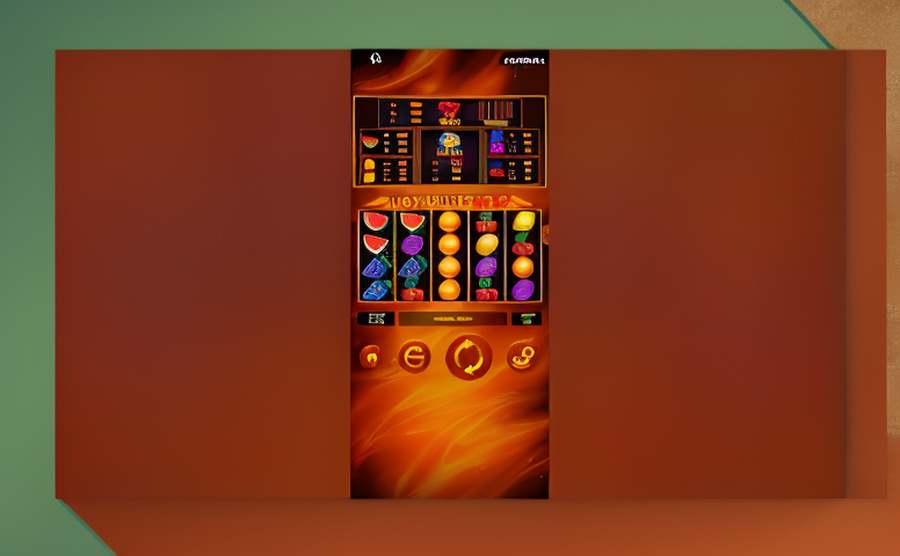
The whole idea is pretty straightforward once you break it down. You grab a prepaid card from a newsagent, a supermarket, or an online provider, load it with the amount you’re comfortable spending, and then use that balance at a licensed casino that accepts it. There’s no link to your main bank account, which means your everyday money stays completely separate from your gaming spend. It’s a bit like buying a gift card for yourself, except it’s designed specifically for digital wagering.
When you head to a site and pick your payment method, you’ll usually see the card listed alongside options like e-wallets or direct bank transfers. You punch in the card details just like you would with a regular debit card, and the funds are drawn from the balance you already loaded. If the card doesn’t have enough on it, the transaction simply won’t go through, which is a built-in safeguard against overspending. That little friction point is actually a good thing when you’re trying to keep your head cool.
Some cards work across multiple operators, while others are tied to specific networks, so it pays to check the fine print before you buy. You’ll want to make sure the card supports online transactions and isn’t restricted to in-store purchases only. A quick glance at the terms usually tells you whether it’s built for international gaming sites or just local retail, and that distinction matters when you’re looking for a reliable pokies online prepaid card that actually works when you need it.
Picking the Right Card for Aussie Punters
Not every reloadable card plays nice with every casino, so you’ll need to match the card to the site rather than the other way around. Start by checking which payment methods the operator lists on its banking page, and look for anything that mentions prepaid, store-value, or reloadable cards. If you’re browsing through a comparison page like https://thepokiesnet-freespins.com/en-au/, you’ll usually see a breakdown of accepted methods that makes the matching process a whole lot easier.
You’ll also want to think about where you’re buying the card in the first place. Most major supermarkets and convenience stores across the eastern states stock mainstream options, but regional spots in places like regional Victoria or outback Queensland might only carry a narrower selection. If you’re after something you can top up at a local newsagent, make sure the card you choose actually supports that reload method instead of forcing you to buy a brand-new card every time you want to play.
Fees are another thing that catches beginners off guard. Some cards charge a small purchase fee, others take a cut when you reload, and a few slap on inactivity charges if you leave the balance sitting there for months. Read the fee schedule before you hand over your cash, because a card that looks cheap upfront can quietly eat into your playing budget if you’re not watching. The last thing you want is to load up for a quiet session and realise the card’s own charges have already shaved off a chunk of your stake.
Loading Up and Making Your First Deposit
Once you’ve got the card in your hand, the next step is loading it with the amount you’ve set aside for your session. You can usually do this at the checkout counter, through an online portal linked to the card provider, or via a mobile app if the issuer supports it. Treat this step like setting a budget for a night out at the local pub: decide the number, load it, and don’t top it up just because you’re on a losing streak.
After the balance is on there, head to the casino’s banking section and pick the prepaid option from the list. You’ll enter the card number, expiry date, and any security code printed on the front or back, just like a standard card payment. The site will check the balance, deduct the deposit amount, and credit your account with the equivalent in playing credits. If you’re using a pokies online prepaid card for the first time, it’s worth starting with a small test deposit so you can see the whole flow without risking a big chunk of cash.
Keep a quick note of your transaction reference in case anything goes sideways. Sometimes a deposit hangs because of a verification step or a mismatched billing postcode, and having the reference handy makes it easier to sort out with support. Most reputable operators will show the deposit status in your account history, so you can track whether the funds landed before you start spinning. If the money doesn’t show up within a few minutes, a quick check of your card balance and a look at the site’s banking status usually clears up what happened.
Keeping Your Spending in Check
A reloadable card is only as good as the discipline you bring to it, and that’s where a lot of new punters slip up. The whole point is to set a hard limit before you log in, so treat the card balance as your absolute ceiling for the session. When it’s gone, you’re done, no matter how close you feel to a win or how many “just one more spin” thoughts are running through your head. That mindset is what separates a bit of casual fun from a messy week of chasing losses.
It helps to think of the card as a cooling-off tool rather than a way to stretch your bankroll. If you load $50 and burn through it in twenty minutes, that’s your signal to step away, grab a coffee, and reset instead of reloading on the spot. The same goes for wins: if you hit a decent payout, you can choose to park some of it back and only play with the remaining balance, which keeps the session from snowballing into something you didn’t plan for.
Tracking your play is easier when you keep everything on one card instead of mixing in your everyday banking. You can glance at the remaining balance and know exactly where you stand without digging cviewresidence-qr.online through bank statements or trying to remember which deposit went through on which night. That clarity is especially handy if you’re playing across different sessions during the week, because it stops the small amounts from quietly adding up into a figure you’d rather not see at the end of the month.
Where the Local Market Stands Right Now
The Australian scene has always been a bit particular about how digital wagering fits into the broader gambling picture, and payment options are part of that conversation. Operators have had to adapt to tighter expectations around transparency, which is why you’ll see more sites laying out their banking methods in plain language rather than burying them in fine print. That shift makes it easier to compare what’s on offer and pick a setup that actually suits your habits instead of just grabbing the first button you see.
If you’re weighing up a few operators side by side, it’s worth looking at how they handle deposits and withdrawals as a package rather than judging each method in isolation. Joe Fortune sits among the leaders of the Australian market in the comparison table, and that kind of positioning usually comes with a broader range of payment options and clearer processing times. You’ll still want to check the specifics for your own situation, but a site that’s consistently ranked high tends to have the infrastructure to handle prepaid deposits without the usual delays.
You’ll also notice that the local conversation keeps circling back to how digital entertainment and wagering overlap, especially when it comes to younger audiences and the blur between gaming and gambling. That’s part of why regulators and consumer groups keep pushing for clearer boundaries, and why payment methods that enforce a hard limit get a fair bit of attention. A reloadable card doesn’t solve everything, but it does give you a practical way to keep your play contained while the wider rules keep evolving.
Sorting Out Common Hiccups
Even with a straightforward setup, things can go a bit sideways now and then, and knowing what to look for saves you a heap of frustration. One of the most common snags is a card that looks like it should work online but is actually restricted to in-store purchases only. Always confirm the card’s online eligibility before you buy, because nothing kills a quiet session faster than a declined transaction when you’re already logged in and ready to play.
Another frequent issue is a mismatch between the card’s registered postcode and the one you enter on the casino site. Some operators run a quick address check against the payment details, and if the numbers don’t line up, the deposit gets blocked. Using the billing postcode that matches the card’s registration usually clears that up, and it’s a good habit to keep your details consistent across the sites you use.
If a deposit stalls or the balance doesn’t reflect properly, start by checking the card itself rather than blaming the casino straight away. A quick look at the remaining balance, the transaction history on the card provider’s side, and the site’s banking status usually tells you whether the money is still in transit or whether the card hit a limit. When you need a bit of broader context on how payment systems and market chatter fit together, a look at a finance-focused page like https://livewiremarkets.com can give you a useful backdrop, while a completely different slice of local community life over at https://reddit.com/r/GardeningAustralia/ shows how Aussies keep their everyday interests running in parallel with the digital stuff.
Keeping a simple note of which cards work with which sites saves you time down the track, especially if you end up trying a few different operators over the months. The more you treat the card as a budgeting tool rather than a magic ticket to a big win, the smoother the whole experience runs, and the less likely you are to get caught out by a surprise fee or a declined transaction when you’re halfway through a session.