
Down here, we don’t need a dictionary to tell us what a pokie is, though the suits in parliament try their best to confuse the issue with jargon about electronic gaming machines. You walk into any local club from Perth to Brisbane and the first thing you hear is the symphony of coins clinking, or nowadays, the digital chirp of credits stacking up. It’s a racket that’s been part of the social fabric for decades, woven into the Friday night fish and chips routine and the Saturday afternoon sporting club gathering. But when you start talking about the money involved, the conversation shifts from a casual flutter to serious capital, especially when you look at the largest gaming machines AU dollars can buy into or operate within a venue.
The market here is unique, shaped by state-based legislation that changes faster than the weather in Melbourne. You’ve got regulators breathing down the necks of operators, while the punters just want a fair go and a decent return on their twenty-dollar note. It’s a high-stakes environment where the hardware matters just as much as the software running the show. We’re seeing a shift where the physical reels are becoming relics, and the video screens are taking over the floor space. This isn’t just about flashing lights; it’s about the investment required to keep a venue competitive in a crowded market where every dollar counts towards the bottom line.
The Evolution From Coins To Credits
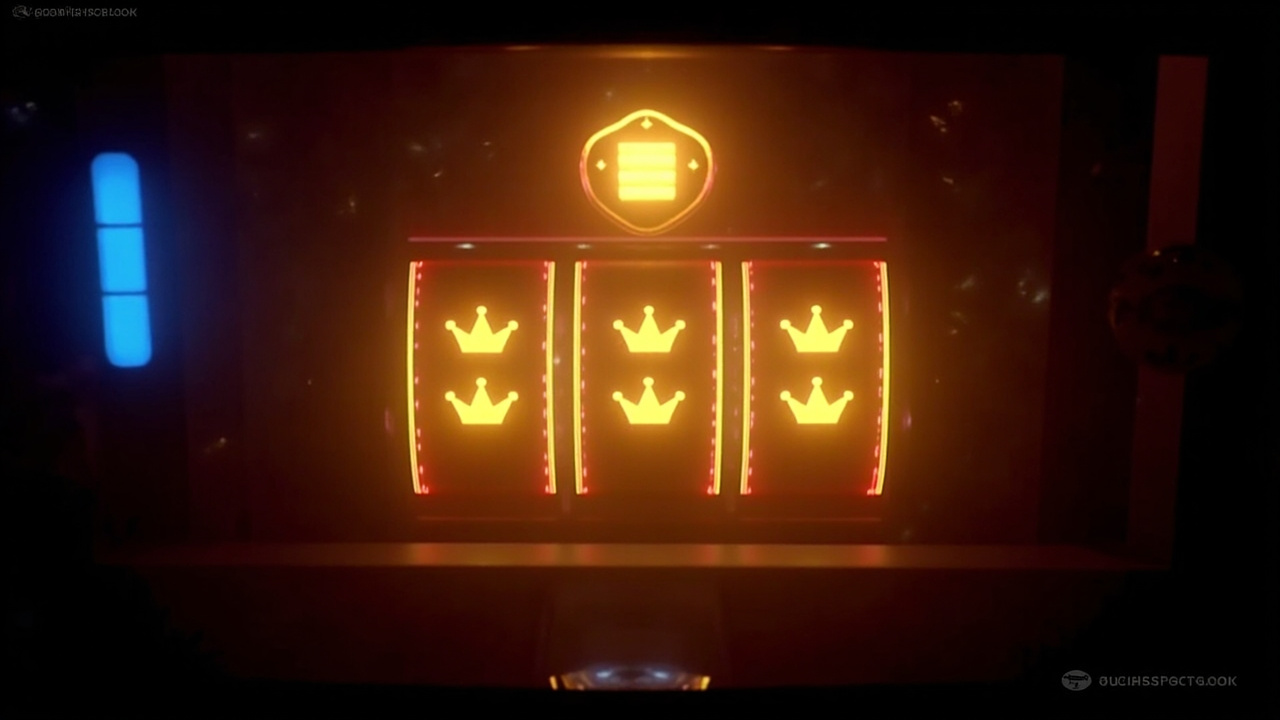
It wasn’t always screens and touch panels dominating the floor. Back in the day, the clatter of coins was the sound of success, and the mechanics were purely physical. The industry took a massive turn when IGT acquired Fortune Coin and drove video slots mainstream, moving the technology from a novelty into the backbone of modern gaming floors. That acquisition changed the trajectory for manufacturers globally, but the ripple effects were felt keenly in Australian pubs and clubs where space is at a premium and revenue per square metre is king.Monsterchildren
Now, the machines are essentially computers with a focus group attached to them. They need to handle high volumes of transactions without jamming, and they need to keep the player engaged without feeling like they’re staring at a spreadsheet. The transition meant that venues had to upgrade their infrastructure, moving away from hoppers full of cash to ticket-in, ticket-out systems that streamline the whole operation. It’s less about the metal in the machine and more about the code running the reels, which brings us to the cost implications of keeping up with the Joneses on the gaming floor.Maitlandmercury
Breaking Down The Price Tag
When operators talk about investment, they aren’t just looking at the purchase price of the cabinet. The largest gaming machines AU dollars worth of hardware represent a significant capital outlay, but the ongoing costs are where the real budget gets eaten. You’ve got licensing fees, maintenance contracts, and the compliance costs that come with running a regulated gaming device in this country. A single machine can cost tens of thousands upfront, but the real expense is in the software licensing and the connectivity required to report data back to the regulators in real time.
It’s a bit like buying a car; the sticker price is one thing, but the rego, insurance, and fuel keep you dmcvietnam.com.vn awake at night. For a large venue, running a hundred machines means managing a fleet that requires constant attention. The hardware needs to be robust enough to withstand the wear and tear of a busy Friday night, where elbows fly and drinks get spilled. Operators need to weigh the cost of newer, flashier screens against the reliability of older, proven models that might not look as sexy but don’t break down when the rush hits.
Local Rules And Regulatory Reality
Every state has its own idea of how things should run, and trying to navigate the compliance landscape feels like solving a Rubik’s cube blindfolded. In New South Wales, the regulations are strict regarding maximum bets and spin speeds, while other states have their own quirks that operators need to account for. You can’t just buy a machine and plug it in; there’s a testing and certification process that ensures everything is above board. This bureaucracy adds layers of cost and time to getting a new unit operational, which impacts the overall financial planning for the venue.
The legislation is designed to protect the player, but it also creates a barrier to entry that favours the bigger operators with the deep pockets to handle the red tape. Smaller clubs often struggle to keep up with the compliance requirements, leading to a market where consolidation is common. It’s a tough environment where cutting corners isn’t an option, and the penalties for non-compliance can shut a venue down faster than a bad run at the tables. Operators have to stay sharp and keep their paperwork in order to avoid falling foul of the gaming commissions.
Comparing The Market Leaders
When you look at who is actually dominating the floor space, a few names come up repeatedly in the conversation. Joe Fortune is one of the leaders of the Australian market in the comparison table of online and land-based integration, setting a benchmark for how digital and physical gaming can coexist. Their approach to user experience and payment integration has raised the bar for what players expect from a seamless transaction process. While the physical machines are the hardware, the backend systems that manage the money are where the real competition lies.
Other manufacturers are fighting for space, but the market is consolidating around providers who can offer end-to-end solutions. It’s not just about the screen resolution anymore; it’s about the data analytics that help operators understand player behaviour. The companies that can provide insights into peak playing times and machine performance are the ones winning the contracts. It’s a strategic game where information is just as valuable as the hardware itself, and the leaders are those who can turn data into profit.
Expert Insights On Analytics
Talking to the people who crunch the numbers gives you a clearer picture of where the money is actually flowing. Noah White, Product Analytics Lead, Oceanic Gaming Strategy, notes that “player retention is increasingly tied to machine responsiveness and load times, not just the game theme.” It’s a shift from looking at pure revenue per machine to looking at the user experience metrics that keep people seated. If the screen lags or the transaction takes too long, the player is gone before the next spin even starts.
On the strategic side, Andrew Baker, Strategy Director, Southern Reef Gaming, points out that “investment in newer hardware is only viable if the venue can sustain the throughput required to justify the capital expenditure.” It’s a cold calculation where the potential revenue needs to match the upfront cost, and not every club has the foot traffic to support the latest bells and whistles. The experts agree that blindly buying the newest tech without understanding the local demographic is a recipe for wasted budget.
Where The Smart Money Goes
So where does the capital actually end up? It’s not just in the machines themselves but in the ecosystem around them. Operators are looking at connectivity, security, and the ability to integrate with loyalty programs that keep punters coming back. The largest gaming machines AU dollars can command are often part of a broader strategy that includes digital engagement and mobile integration. It’s about creating an ecosystem where the player feels valued regardless of whether they are in the club or on their phone.neospin free chip
There’s also a focus on responsible gaming features that are built into the hardware and software. Regulators are pushing for tools that help players manage their spend, and operators are implementing these to stay in good standing. It’s a balancing act between maximizing revenue and maintaining social license, and the tech needs to support both ends of that spectrum. The smart money is going into systems that are flexible enough to adapt to changing rules without needing a complete overhaul of the floor.
The Future Of The Pokie Floor
Looking ahead, the physical footprint of the gaming floor might shrink even as the revenue per machine grows. We’re seeing a trend towards smaller footprints and more modular setups that can be reconfigured based on traffic patterns. The days of the massive cabinet taking up half the aisle might be numbered, replaced by sleeker units that fit into tighter spaces. This evolution is driven by the need to optimize every square metre of the venue, especially in city centres where rent is through the nose.
Technology will continue to blur the lines between land-based and online play, with players expecting the same level of quality and fairness wherever they are. The integration of cashless payments is another frontier that’s opening up, reducing the need for physical coins and making transactions smoother. It’s a changing landscape where adaptability is the key to survival, and the operators who can pivot quickly will be the ones left standing when the dust settles. For those keeping an eye on the market, checking resources like the Maitland Mercury can provide local context on how regional venues are adapting to these shifts.